
How to Buy Afghanistan Blue Tourmaline: A Complete Buyer’s Guide
Introduction
Few gemstones balance rarity, color, and value as well as blue tourmaline. Among the world’s sources, the mountainous regions of Afghanistan have earned a reputation for producing striking blue to blue-green crystals that gem collectors and jewelry designers actively seek out.
But buying one is not as simple as clicking “add to cart.” Tourmaline comes in many colors, the blue variety is far less common than green or pink, and the market includes synthetics, mislabeled stones, and sellers who cannot verify where their material came from. On top of that, Afghanistan’s political and trade situation adds legal and ethical questions that most gemstone guides skip.
This guide walks you through the whole process: what Afghan blue tourmaline is, what to look for, where to buy, how to verify authenticity, and how to protect yourself legally and financially.
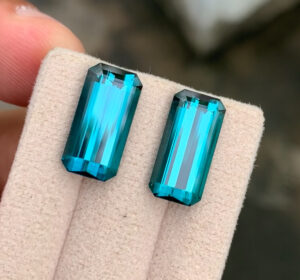
What Is Afghanistan Blue Tourmaline?
Understanding Indicolite
Blue tourmaline is known in the trade as indicolite. Tourmaline is a complex boron silicate mineral, and its color depends on trace elements in the crystal. Iron and titanium typically produce blue shades, and indicolite ranges from pale sky blue to deep navy, often with a greenish or grayish undertone.
True, pure blue is the rarest. Most stones that appear blue lean slightly green or have a teal character. A clean, vivid blue stone with little green or gray is considered the most desirable.
Why Afghanistan Is Notable
Afghanistan sits within a geologically rich pegmatite belt, particularly in the eastern provinces such as Nuristan and Kunar. Pegmatites are coarse-grained igneous rocks that form the crystals of tourmaline, aquamarine, kunzite, and other gems. Afghan tourmalines from these areas are valued for their transparency and saturated color, and the region is often mentioned alongside Brazil, Nigeria, Mozambique, and Namibia as an important tourmaline source.
One clarification matters here. Afghan blue tourmaline is not “Paraíba tourmaline.” That name applies to copper-bearing tourmaline with neon blue colors, first found in Brazil and later in Nigeria and Mozambique. If a seller markets an Afghan stone as Paraíba, treat that as a serious red flag.
Key Properties of Blue Tourmaline
Knowing the basics helps you judge what you are being shown:
- Hardness: 7 to 7.5 on the Mohs scale, durable enough for most jewelry
- Refractive index: roughly 1.62 to 1.64
- Pleochroism: strong, meaning the stone shows different shades of color from different angles
- Crystal structure: trigonal, often forming elongated, striated crystals
- Toughness: good, but tourmaline can chip with hard knocks, especially along its edges
Pleochroism is especially important for cutters and buyers. A stone cut with the wrong orientation can look dark and lifeless, while a well-oriented stone shows a vibrant blue face-up.
The 4 Cs of Buying Blue Tourmaline
Color
Color is the biggest driver of value. Look for:
- Hue: pure blue is rarer and more valuable than greenish blue
- Tone: medium to medium-dark tones usually look best; very dark stones can appear almost black indoors
- Saturation: vivid, intense color commands higher prices than grayish or washed-out stones
Always view the stone in different lighting: daylight, warm indoor light, and LED. Some tourmalines change appearance noticeably between light sources.
Clarity
Most blue tourmalines are Type II gemstones, which means they are usually found with some inclusions, though clean stones exist. Eye-clean stones, with no visible flaws to the naked eye, cost more. Common inclusions include fine needles, liquid-filled cavities, and feather-like fractures. Heavy inclusions can affect durability and brilliance, but minor ones are normal and can even help confirm natural origin.
Cut
Cut quality determines how well the stone handles its strong pleochroism. A skilled cutter aligns the table facet to show the best color. Check for:
- Symmetry and polish: smooth, even facets
- Windowing: a see-through spot in the middle where light leaks out
- Extinction: dark patches that move as you tilt the stone
Common shapes include oval, emerald cut, cushion, and pear. Rectangular and elongated shapes follow the natural crystal form and waste less rough material, which can make them more affordable.
Carat Weight
Larger blue tourmalines are available, but clean, vivid stones above a few carats become progressively scarcer. Price per carat generally rises as size increases, so a 5-carat stone costs far more per carat than a 1-carat stone of the same quality.
How Much Does Afghan Blue Tourmaline Cost?
Prices vary widely. A small, light-toned or slightly included stone may sell for a modest amount per carat, while a large, vivid, eye-clean stone with documented origin can cost many times more. Rather than trusting a fixed price chart, which goes out of date quickly, use these steps:
- Compare at least five stones of similar size, color, and clarity
- Check recent sold prices, not only asking prices, on reputable gem marketplaces and auction records
- Be suspicious of any price that seems far below the market for “top quality” stones
If a deal looks too good to be true, it usually involves synthetic material, a treated stone, or a misrepresented origin.
Where to Buy Afghanistan Blue Tourmaline
Established Gemstone Dealers
Reputable dealers who specialize in colored stones are usually the safest option. They typically offer return policies, clear photos and videos, and the ability to ask detailed questions about origin.
Gem and Mineral Shows
Events such as the Tucson shows in the United States, Bangkok gem fairs, and Hong Kong shows let you inspect stones in person. You can compare dozens of sellers in one place and negotiate directly.
Online Marketplaces
Online buying is convenient and offers wider selection. To stay safe:
- Prefer sellers with long track records and verifiable reviews
- Insist on high-resolution photos and video in natural light
- Confirm a clear return window, ideally at least 14 days
- Ask whether the stone comes with an independent lab report
Auction Houses
For high-end specimens, auctions can offer exceptional pieces with documented provenance, though buyer’s premiums add to the final cost.
Direct From Source Countries
Buying directly in Pakistan, Afghanistan, or neighboring trading hubs can sometimes mean lower prices, but it carries higher risk. You need to be able to verify the stone independently, and you must understand export rules and your own country’s import regulations.
How to Verify Authenticity
Insist on a Gemological Report
An independent lab report is the single best protection you have. Respected labs include GIA, SSEF, Gübelin, IGI, GRS, and AGL. A report should identify the stone as natural tourmaline, describe its color and any treatments, and ideally comment on origin if the lab offers that service.
Origin determination for tourmaline is not always definitive. Be realistic: many reports confirm the species and treatment status but cannot prove a stone came from a specific mine.
Watch for Common Fakes and Misrepresentations
- Glass imitations: usually show round bubbles and a too-perfect look
- Synthetic stones: lab-grown blue material sold as natural
- Dyed or coated stones: color that looks unnaturally uniform
- Other blue gems sold as tourmaline: such as blue topaz, kyanite, or spinel
- Origin mislabeling: stones from other countries sold as Afghan to command a premium
Ask About Treatments
Blue tourmaline is generally less commonly treated than some gems, but you should still ask directly. Possible treatments include heating, irradiation, and fracture filling. Any treatment should be disclosed in writing. Untreated stones usually carry higher value.
Ethical and Legal Considerations
This section is where many buyers get caught off guard, so read carefully.
Sanctions and Import Rules
Afghanistan’s current political situation means certain individuals and entities are subject to international sanctions, and trade rules can change. Before buying stones sold as Afghan in origin, especially in large amounts, check the rules in your own country. In the United States, for example, compliance with sanctions administered by OFAC is the buyer’s responsibility. Other countries have their own regimes. If you are buying at a significant value, consult a customs broker or trade lawyer.
I’m not a lawyer, so treat this as a prompt to check, not as legal advice.
Responsible Sourcing
Small-scale mining is common in tourmaline-producing regions, and working conditions vary. Responsible buyers can:
- Ask sellers about their supply chain and what they know of the mining source
- Prefer dealers who publish sourcing policies
- Consider stones from recycled or older stock where appropriate
- Avoid sellers who are vague or evasive about origin
Keep All Documentation
Retain invoices, lab reports, shipping records, and correspondence. These matter for insurance, resale, customs, and any later dispute.
Step-by-Step: How to Buy Afghan Blue Tourmaline
- Set your budget and purpose. Decide whether you are buying for jewelry, collecting, or investment. This shapes how strict your quality standards should be.
- Learn the basics. Understand color, clarity, and cut terms so you can ask informed questions.
- Choose your source. Pick a reputable dealer, show, or marketplace.
- Request detailed media. Ask for photos and video in daylight, with a neutral background.
- Ask key questions. Is it natural? Is it treated? What is the stated origin and what supports it? Is there a lab report?
- Check the lab report. Verify its number on the lab’s website where possible.
- Compare prices. Evaluate similar stones before committing.
- Confirm the return policy. Get it in writing.
- Pay securely. Use payment methods that offer buyer protection, and avoid wiring money to unknown parties.
- Insure and inspect on arrival. Check the stone against the report, and consider having a local gemologist confirm it.
Buying Loose Stones vs. Finished Jewelry
Loose Stones
Loose tourmaline gives you control. You can choose the exact stone and have a jeweler set it in a design you like. It also makes lab testing easier. Loose stones are the better choice for serious buyers.
Finished Jewelry
Jewelry is convenient, but the setting can hide flaws, and testing a mounted stone is harder. If you buy finished pieces, make sure the seller states the stone’s identity, treatments, and carat weight clearly.
Caring for Your Blue Tourmaline
Once you have your stone, proper care preserves its beauty:
- Clean with warm water, mild soap, and a soft brush
- Avoid ultrasonic cleaners if the stone has fractures or inclusions
- Avoid sudden temperature changes, which can stress the crystal
- Store separately so harder stones like sapphire or diamond do not scratch it
- Remove it during heavy manual work, since tourmaline can chip
Common Mistakes to Avoid
- Buying on photos alone without video or a return policy
- Assuming “Afghan” origin is proven simply because a seller says so
- Chasing the lowest price
- Ignoring cut quality and focusing only on color
- Skipping independent certification on higher-value stones
- Overlooking legal and import requirements
Conclusion
Buying Afghanistan blue tourmaline can be rewarding if you approach it with knowledge and patience. Focus on color first, check clarity and cut, demand independent certification for valuable stones, and stay realistic about what a lab can say regarding origin. Buy from trusted sellers, compare prices, keep your documents, and take legal and ethical questions seriously.
A well-chosen blue tourmaline is durable, beautiful, and distinctive. With the steps above, you can choose a stone you will enjoy for years and protect your money along the way.
Frequently Asked Questions (FAQ)
1. Is Afghan blue tourmaline rare?
Blue tourmaline in general is less common than pink or green. Clean, vivid, pure blue stones are especially hard to find, particularly in larger sizes.
2. Is blue tourmaline the same as indicolite?
Yes. Indicolite is the trade name for blue tourmaline.
3. Is Afghan blue tourmaline the same as Paraíba?
No. Paraíba-type tourmaline is copper-bearing and typically shows neon blue or turquoise colors. It comes mainly from Brazil, Nigeria, and Mozambique.
4. Can a lab prove a stone is from Afghanistan?
Not always. Labs can confirm that a stone is natural tourmaline and identify treatments. Origin determination for tourmaline is difficult, so a report may not conclusively prove origin.
5. Is blue tourmaline durable enough for rings?
It rates 7 to 7.5 on the Mohs scale, so it works in rings, but it can chip with hard impact. Protective settings are a good idea for daily wear.
6. What is the best way to avoid fake stones?
Buy from reputable sellers, request an independent lab report, and take advantage of return policies.
7. Are there legal restrictions on buying Afghan gemstones?
Possibly. Sanctions and import rules vary by country and may change. Check your local regulations or consult a trade professional before making a significant purchase.
8. Should I buy online or in person?
Both work. In-person buying lets you inspect the stone directly, while online buying offers wider choice. For online purchases, insist on video, certification, and a clear return policy.